
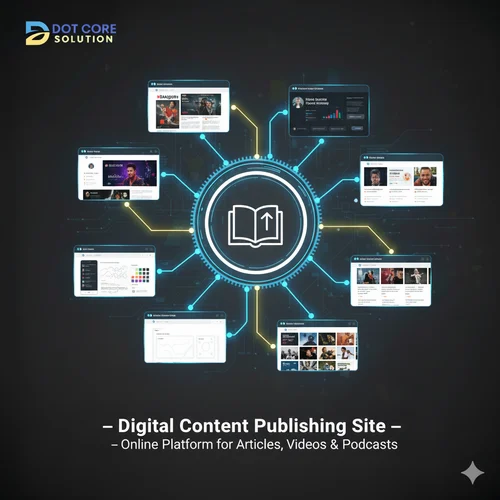
A free content publishing site allows writers to share articles, stories, and ideas without financial investment. These platforms remove technical and monetary barriers, making content creation accessible to a wider audience. On a related note, uploadblog.com for content creators: A practical publishing platform adds useful context
How Free Content Publishing Sites Democratize Writing
Free content publishing sites emerged in the early 2000s alongside the rise of Web 2.0 technologies. Platforms like Blogger, launched in 1999, and WordPress.com, introduced in 2005, pioneered the model by offering user-friendly interfaces and no-cost hosting. These tools shifted control from developers to everyday users, enabling anyone with internet access to publish content. Public records covering this story are gathered in Website
Unlike traditional media gatekeepers, these sites operate on open-access principles. Writers retain ownership of their work while leveraging built-in tools for formatting, SEO, and audience engagement. The absence of paywalls or subscription fees encourages experimentation and diverse voices. Over time, this model has supported the growth of niche communities, personal branding, and even professional journalism.
Key Features That Define a Reliable Free Content Publishing Site
A dependable free content publishing site offers essential tools without compromising usability. Customizable templates allow writers to personalize their space, while built-in analytics help track reader engagement. Most platforms support multimedia integration, enabling the inclusion of images, videos, and audio files to enrich storytelling. Public records covering this story are gathered in 15 Free Platforms For Writers To Publish Articles Online
Mobile responsiveness is now standard, ensuring content displays well across devices. Many sites also provide basic SEO features, such as meta tag editing and clean URL structures, helping writers reach broader audiences. Comment systems and social sharing buttons foster interaction, turning passive readers into active participants.
Security and uptime reliability are critical. Reputable platforms implement SSL encryption and regular backups to protect user data. While free plans may include ads or limited storage, they typically maintain consistent performance during traffic spikes. These features collectively create a stable environment for long-term content development.
What Is Confirmed and What Remains Unverified
com, and Substack offer free tiers with core publishing capabilities. These services are widely used by independent writers, educators, and hobbyists. Public records and platform documentation verify their availability and basic functionality.
However, long-term sustainability of free plans can vary. Some platforms may limit features or display third-party ads on free accounts. Others might restrict monetization options or domain customization. While many sites promise ongoing free access, changes in company policy or business models could affect availability. Users should review terms of service and monitor updates to avoid unexpected limitations.
Another unverified aspect is content ownership clarity. Although most platforms state that users retain copyright, the extent of data portability and deletion rights can differ.
Why Choosing the Right Platform Matters for Emerging Writers
Selecting an appropriate free content publishing site impacts visibility, credibility, and growth potential. A well-chosen platform aligns with a writer’s goals, whether building a portfolio, engaging a community, or exploring creative expression. It also influences how easily readers can discover and interact with content.
For writers aiming to transition into professional roles, a clean, professional layout enhances perceived credibility. Platforms with strong search engine indexing increase the likelihood of organic traffic. Additionally, integration with email newsletters or social media expands reach beyond the site itself.
Beyond technical features, community culture plays a role. Some platforms foster supportive environments with feedback mechanisms and discovery algorithms. Others prioritize viral content, which may not suit all writing styles. Evaluating these factors helps writers find spaces where their voice resonates.
Looking ahead, the evolution of free publishing tools will likely focus on enhanced customization and AI-assisted editing. As digital literacy grows, more individuals will seek platforms that balance simplicity with creative control. The enduring value of a free content publishing site lies in its ability to empower expression without financial risk.