An on-page SEO optimization guide helps website owners improve visibility in search engine results. It focuses on elements within your control, like content quality, meta tags, and site structure. For a complementary read on the same theme, see Uploadblog.com About Us Page Guide: Purpose, Content, and Design Insights
Google launched its first major algorithm update, Panda, in 2011 to prioritize high-quality content. This marked a shift toward rewarding well-optimized pages that meet user intent. A reference profile of the subject is maintained on Search engine optimization
How Content Quality Impacts On-Page SEO
Content remains the foundation of any effective on-page SEO optimization guide. Search engines prioritize pages that answer user queries clearly and thoroughly.
Use clear headings, short paragraphs, and relevant keywords naturally within the text. Avoid keyword stuffing, which can lead to penalties from search engines. A reference profile of the subject is maintained on On-Page SEO: The Definitive Guide + FREE Template (2026)
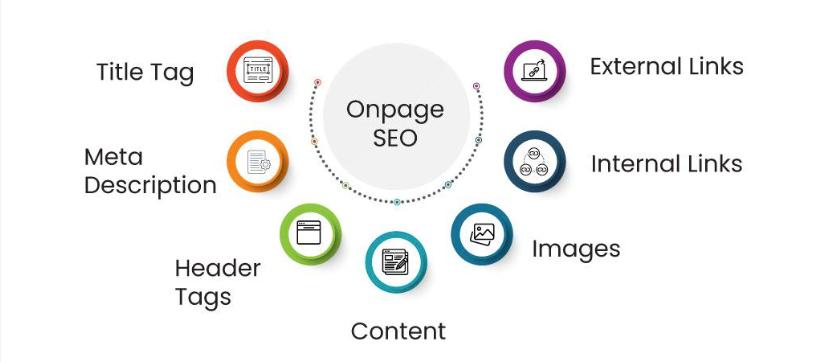
Internal linking strengthens site structure and helps search engines understand content relationships. Link to related articles using descriptive anchor text.
Ensure content is original and provides value beyond what competitors offer. Pages with unique insights or updated information tend to rank higher over time.
Meta Tags and Their Role in Visibility
Title tags and meta descriptions are critical components of on-page SEO. They appear in search results and influence click-through rates.
Each page should have a unique title tag under 60 characters. Include the primary keyword near the beginning for better relevance.
Meta descriptions should be concise, under 160 characters, and summarize the page’s content. While not a direct ranking factor, they affect user engagement.
Header tags (H1, H2, H3) organize content and signal topic hierarchy. Use one H1 per page, typically matching the title tag.
Proper use of headers improves readability for users and helps search engines interpret content structure.
URL Structure and Technical Elements
Clean, descriptive URLs enhance both user experience and SEO performance. Avoid long strings of numbers or irrelevant parameters.
Include keywords in URLs when appropriate, but keep them short and readable. For example, use /on-page-seo-guide instead of /page?id=12345.
Image optimization is often overlooked. Use descriptive file names and alt text to help search engines understand visual content.
Compress images to reduce load times without sacrificing quality. Faster-loading pages rank better, especially on mobile devices.
Ensure your site uses HTTPS.
Mobile Optimization and Page Speed
Mobile-friendliness is essential since Google uses mobile-first indexing. Pages must display properly on smartphones and tablets.
Use responsive design to adapt layouts across devices. Test your site using Google’s Mobile-Friendly Test tool.
Page speed directly affects rankings and user retention. Slow sites increase bounce rates and reduce engagement.
Minimize JavaScript and CSS files, leverage browser caching, and use content delivery networks (CDNs) to improve load times.
Core Web Vitals, introduced in 2021, measure loading performance, interactivity, and visual stability. Meeting these standards supports better rankings.
User Experience and Behavioral Signals
Search engines consider how users interact with your site. Low bounce rates and longer session durations signal content relevance.
Improve readability with short sentences, bullet points, and white space. Users prefer scannable content that delivers quick answers.
Ensure navigation is intuitive. Visitors should find information within three clicks or fewer.
Use schema markup to provide search engines with structured data. This can enhance search snippets with rich results like ratings or FAQs.
Regularly update content to reflect current information. Outdated pages may lose rankings over time.
What Is Confirmed and What Remains Unverified
Google has publicly stated their importance in search algorithms.
However, the exact weight of each factor remains undisclosed. No official documentation reveals how much meta descriptions or internal links affect rankings.
Some SEO practices, like exact keyword density, are no longer critical. Modern algorithms focus on context and user intent rather than rigid formulas.
Claims about specific tools guaranteeing top rankings are unverified and often misleading. Sustainable SEO requires consistent effort and adaptation.
Why On-Page SEO Matters for Long-Term Success
An on-page SEO optimization guide provides a roadmap for sustainable growth. Unlike paid ads, organic traffic builds over time and delivers lasting results.
Well-optimized pages attract qualified visitors more likely to convert. This improves ROI for content and marketing efforts.
As search algorithms evolve, foundational on-page practices remain essential. Investing in optimization prepares sites for future updates.
Businesses that prioritize on-page SEO gain a competitive edge. They appear in more searches and build trust with users.
Start with a site audit to identify gaps in content, structure, or technical performance. Small improvements compound into significant gains.