
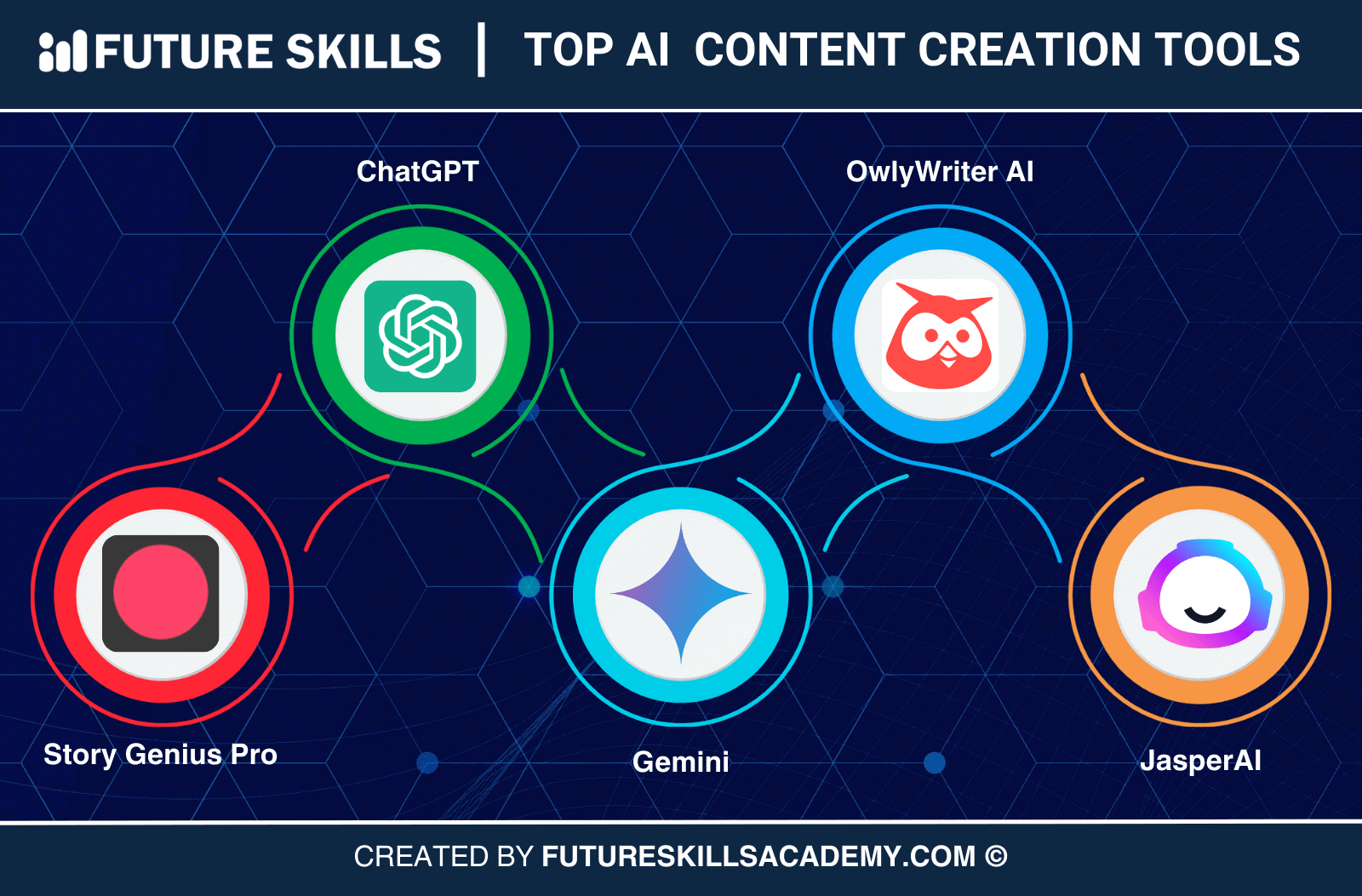
Content creators today face growing demands to produce high-quality work quickly. The best AI tools for content creators help streamline writing, editing, and publishing across multiple formats. For a complementary read on the same theme, see uploadblog.com for content creators: A practical publishing platform
These tools reduce manual effort while maintaining creative control, making them essential for independent creators and teams alike. A reference profile of the subject is maintained on Claude (language model)
How AI Transforms Modern Content Workflows
Artificial intelligence has reshaped how digital content is developed, from initial idea generation to final publication. Writers use AI to overcome blocks, refine tone, and adapt messaging for different audiences.
Video creators leverage AI for scriptwriting, voiceover generation, and even automated editing. Social media managers rely on AI to schedule posts, analyze engagement, and generate captions tailored to platform algorithms. A reference profile of the subject is maintained on 12 Best AI Tools for Content Creators in 2025 – contesimal.ai
One major shift is the move from reactive to proactive content planning. AI tools now suggest trending topics, predict audience interest, and recommend optimal publishing times based on historical data.
These capabilities allow creators to focus more on strategy and originality rather than repetitive tasks. The result is faster output without sacrificing authenticity or brand voice.
Top AI Writing Assistants for Bloggers and Copywriters
AI-powered writing platforms have become indispensable for bloggers, marketers, and freelance writers. Tools like Grammarly and ProWritingAid offer real-time grammar checks, style suggestions, and readability improvements.
More advanced platforms such as Jasper and Copy.ai go beyond correction by generating full paragraphs, headlines, and product descriptions based on user prompts. These systems learn from user input to align with specific brand tones over time.
For long-form content, AI tools can outline articles, draft sections, and even suggest internal links or SEO keywords. This speeds up research and drafting phases significantly.
Some creators use AI to repurpose existing content—turning a blog post into a thread, script, or email newsletter with minimal rewriting. This maximizes the value of each piece produced.
AI Video and Audio Tools Reshaping Multimedia Creation
Video content dominates platforms like YouTube, TikTok, and Instagram. AI tools now assist at every stage, from scripting to post-production.
Descript allows creators to edit video by editing text transcripts, making cuts and adjustments as simple as rewriting a sentence. It also offers AI-generated voice cloning for consistent narration.
Runway ML enables real-time video effects, background removal, and motion tracking without requiring advanced technical skills. These features were once limited to high-end studios.
For audio, tools like Adobe Podcast Enhance clean up recordings by removing background noise and normalizing volume. AI voice generators such as ElevenLabs produce natural-sounding speech in multiple languages and accents.
These advancements lower the barrier to professional-quality multimedia, empowering solo creators to compete with larger production teams.
Social Media and SEO Optimization Through AI
Maintaining a consistent social media presence is time-consuming. AI scheduling tools like Buffer and Hootsuite now include content suggestion engines that recommend posts based on past performance and trending topics.
AI also plays a key role in SEO. Platforms like Surfer SEO analyze top-ranking pages and provide detailed content structure recommendations, including keyword density, heading usage, and internal linking strategies.
Some tools automatically generate meta descriptions, alt text for images, and schema markup to improve search visibility. This ensures content is not only engaging but also discoverable.
Creators using these tools report faster indexing and improved rankings over time, especially when combined with regular content updates guided by AI insights.
What Is Confirmed and What Remains Unverified
Multiple independent reviews and user testimonials support their effectiveness in reducing time spent on drafting, editing, and formatting.
However, the long-term impact on content originality and audience trust remains debated. While AI can mimic style, it cannot replicate lived experience or nuanced cultural understanding.
There is also uncertainty around how search engines may treat AI-generated content in the future. Google has stated it prioritizes helpful, human-first content, but algorithmic detection methods are still evolving.
Creators are advised to use AI as a collaborator, not a replacement, ensuring final outputs reflect personal insight and authenticity.
Why Independent Digital Media Matters for Readers
As AI becomes more accessible, the value of independent voices grows. Readers increasingly seek unique perspectives over algorithmically optimized content.
Platforms that support creator autonomy—like those enabling transparent AI use—help maintain diversity in digital storytelling. This benefits audiences by offering a wider range of ideas and experiences.
For creators, adopting the best AI tools for content creators means gaining time and resources to invest in deeper research, community engagement, and creative experimentation.
The future of content lies not in replacing humans, but in amplifying their capabilities through intelligent assistance.