If you’ve been searching for the “best changua near me”, you’re probably curious about a warm, comforting dish that’s a bit different from your usual breakfast options. Changua isn’t just food—it’s a cultural experience, deeply rooted in Colombian tradition, especially in the Andean region. Even though it may not be as globally famous as tacos or ramen, it has a loyal following among those who love simple, nourishing, and nostalgic meals.
In this article, we’ll break everything down in detail: what changua is, why people search for it locally, how to recognize the best version, and most importantly, how you can actually find or recreate it even if you’re in a city where it’s not commonly served. Think of this as your complete expert guide written in a simple, human, and practical way.
What is Changua? A Warm Cultural Introduction
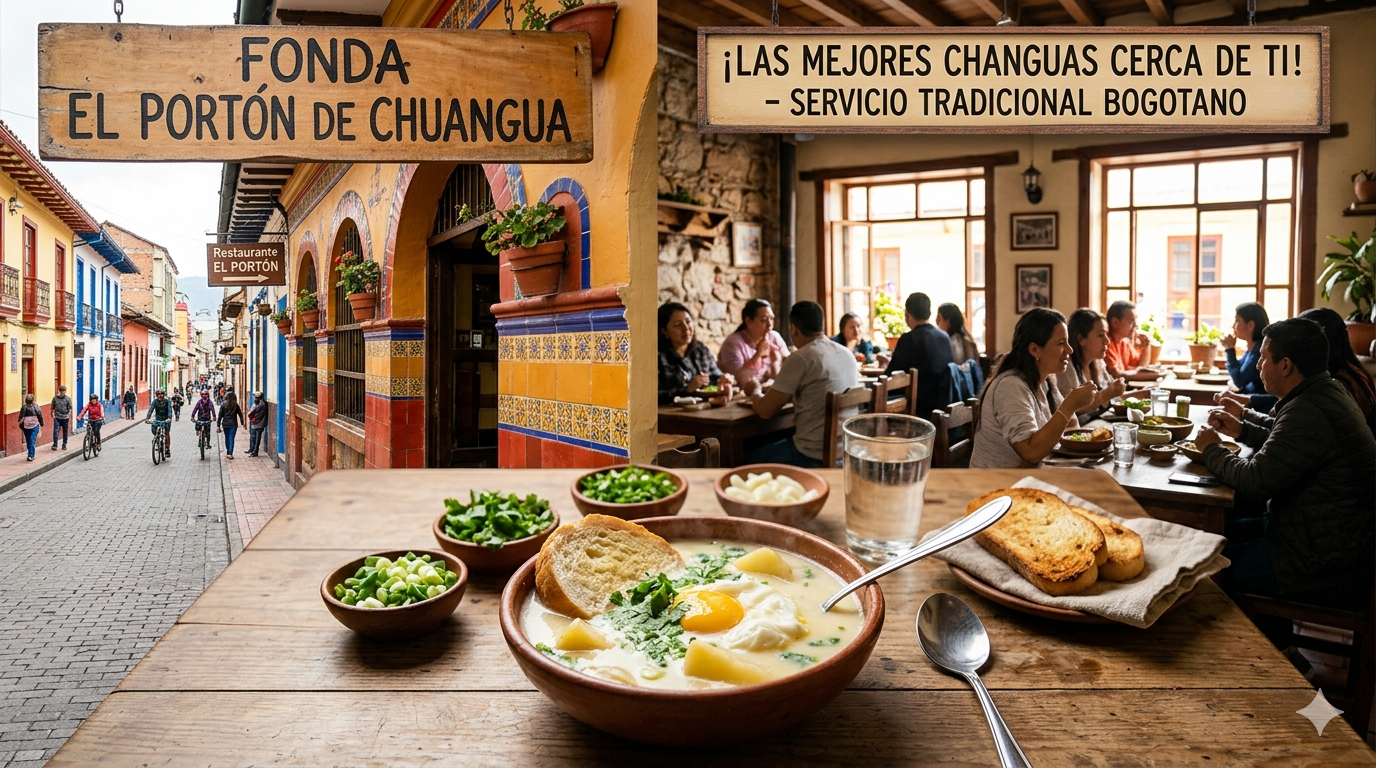
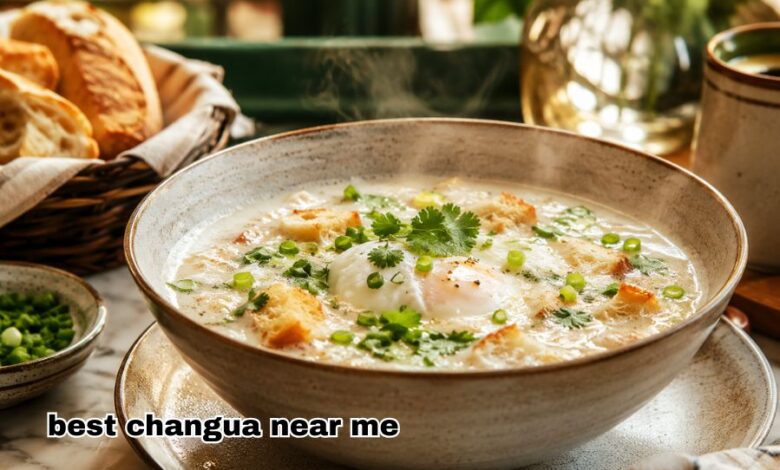
Changua is a traditional breakfast soup from Colombia, especially popular in Bogotá and surrounding high-altitude regions. At its core, it’s made with milk, water, eggs, scallions (green onions), and sometimes stale bread or cilantro. It might sound unusual at first, but the combination creates a light yet comforting dish that people often associate with home-cooked mornings.
The dish is typically served warm, not boiling, with eggs gently poached in the milk-water mixture. The scallions add a subtle sharpness that balances the creamy base. It’s not a heavily spiced dish; instead, it relies on simplicity and texture to create flavor. That’s one of the reasons locals love it—it feels gentle on the stomach and perfect for starting the day.
Changua is often eaten as a remedy for cold mornings or even hangovers in Colombian culture. It’s inexpensive, filling, and deeply nostalgic for many families. In short, it’s not just breakfast—it’s comfort in a bowl.
Why People Search for “Best Changua Near Me”
When someone types “best changua near me,” it usually reflects curiosity mixed with craving. Maybe they saw it on social media, heard about it from a travel show, or tried it while traveling and now want it again. The search often comes from people looking for authentic international cuisine close to their location.
Another reason is the rise of global food culture. People are no longer limited to local dishes—they actively seek international flavors. Changua, being relatively unknown in many countries, becomes something of a “hidden gem” for food enthusiasts. This makes the search even more specific: not just changua, but the best version nearby.
Lastly, many users searching this phrase are also open to alternatives. Since Colombian restaurants may not be widely available everywhere, especially in cities where Latin American cuisine is rare, people often want to know if any fusion restaurants or creative chefs offer similar dishes.
What Makes the Best Changua? Key Qualities to Look For
The “best” changua isn’t about luxury ingredients or fancy presentation. It’s about balance, authenticity, and technique. A well-made changua should feel comforting, not heavy, and should maintain the integrity of its simple ingredients.
First, the milk base matters a lot. The ratio of milk to water should be balanced so that the soup is creamy but not overly rich. If it’s too thick, it loses its traditional lightness. If it’s too watery, it feels incomplete. The best versions always strike a smooth middle ground.
Second, egg texture is critical. The eggs should be poached gently so that the whites are soft but set, and the yolk remains slightly runny or creamy. Overcooked eggs ruin the experience entirely because changua is meant to be soft and soothing.
Third, seasoning is subtle but essential. Salt must be balanced, and scallions should be fresh. Some chefs add cilantro for freshness, but the dish should never be overloaded with spices. Simplicity is what defines authenticity.
Finding “Best Changua Near Me” in Your Area
If you’re trying to find changua locally, especially in a city where Colombian cuisine isn’t common, your best strategy is to look for Latin American or fusion restaurants. These places sometimes include regional specialties or chef-inspired international breakfasts.
In larger metropolitan cities, high-end brunch cafés or experimental kitchens might occasionally feature changua as part of a rotating menu. These chefs often enjoy showcasing lesser-known global dishes, so it’s worth checking seasonal menus or asking directly.
If you live in a place like Karachi or similar international food hubs, you might not find changua listed directly. However, restaurants that specialize in continental breakfasts or international comfort foods may be open to making it upon request if they have the ingredients. It’s always worth asking—the dish itself is simple enough for skilled chefs to prepare.
How to Identify Authentic Changua When You Find It
Not every version labeled “changua” will be authentic, especially outside Colombia. So how do you know you’re getting the real deal?
First, check the ingredient simplicity. Authentic changua will never be overloaded with spices, sauces, or toppings. If you see ingredients like heavy cream, cheese overload, or strong spices dominating the bowl, it’s likely a fusion version rather than traditional.
Second, observe the texture. The broth should look light, slightly milky, and not overly thick. The eggs should be visibly poached inside the liquid rather than scrambled or mixed in. Authentic presentation is minimal but intentional.
Third, taste balance is key. A proper changua should taste mild, slightly salty, and comforting. It should not feel greasy or overpowering. If it feels too complex, it’s probably been adapted for local tastes rather than staying true to its roots.
Popular Variations of Changua Around the World
While traditional changua stays simple, modern chefs and home cooks have created variations that adapt to different regions and tastes. These variations are not wrong—they just reflect how food evolves.
One common variation includes adding cheese. Some versions sprinkle mild, melting cheese on top to make the dish richer. This is especially popular in fusion cafés, where customers prefer stronger flavors.
Another variation includes herbs beyond scallions, such as parsley, cilantro, or even dill. These additions give the soup a fresher aroma and slightly different flavor profile while still maintaining its essence.
There are also dairy-free versions, where milk is replaced with plant-based alternatives like oat or almond milk. While this changes the traditional flavor, it makes the dish accessible to people with dietary restrictions.
How to Make Changua at Home (Even if You Can’t Find It Nearby)
If searching “best changua near me” isn’t giving you results, the best solution is simple: make it yourself. The recipe is surprisingly easy and requires basic ingredients found in most kitchens.
Start by heating a mixture of milk and water in a pot. Add chopped scallions and a pinch of salt. Let it warm gently without boiling aggressively. The key here is low heat to maintain texture and avoid curdling.
Next, crack eggs directly into the simmering liquid. Let them poach slowly for a few minutes until the whites are set. The yolks should remain soft for the best texture. You can also stir gently if you prefer a more blended consistency.
Finally, serve it warm, optionally with a slice of bread or toast. Some people like adding cilantro or a small piece of butter on top for extra richness. The beauty of changua lies in how simple yet satisfying it is.
Common Mistakes People Make When Preparing Changua
One of the most common mistakes is boiling the milk too aggressively. This can cause curdling and ruin the smooth texture of the soup. Changua requires gentle heat, not rapid cooking.
Another mistake is over-seasoning. Many people try to “enhance” the dish with too many spices, but changua is meant to be subtle. Adding too much garlic, pepper, or heavy spices can overpower its delicate balance.
Lastly, overcooking the eggs is a frequent issue. Hard, rubbery eggs completely change the experience. The eggs should remain soft and tender, blending naturally with the broth.
Health Benefits of Changua
Changua is surprisingly nutritious despite its simplicity. The combination of milk and eggs provides a good balance of protein, calcium, and essential nutrients. It’s often considered a gentle meal that’s easy on the stomach.
Because it’s warm and light, changua is commonly consumed in the morning when the body needs hydration and energy without heaviness. It’s also popular as comfort food during cold weather due to its warming properties.
Additionally, it’s a relatively low-calorie meal compared to heavy fried breakfasts. When prepared traditionally, it offers nourishment without excessive fats or processed ingredients.
What to Eat With Changua for the Best Experience
Changua is often served with simple sides that complement its light flavor. Bread is the most common pairing—either stale bread softened in the soup or toasted bread served alongside.
Some people enjoy it with fresh fruit or juice to balance the savory warmth of the dish. This creates a complete breakfast experience that feels both refreshing and satisfying.
In traditional Colombian households, changua is sometimes served as part of a larger breakfast spread, including arepas or cheese. While optional, these additions can make the meal more filling and diverse.
Frequently Asked Questions About Changua
Many people new to changua have similar questions, especially when searching for it locally.
One common question is whether changua tastes “eggy.” The answer is yes, but mildly so. The flavor is more milky and comforting than strongly egg-based.
Another question is whether it’s suitable for people who don’t usually like milk-based soups. Surprisingly, many people who are unsure at first end up enjoying it because the flavor is very subtle and balanced.
People also often ask if it can be eaten at night. While traditionally a breakfast dish, there’s no rule against enjoying it as a light dinner, especially if you want something soothing.
Final Thoughts on Finding the Best Changua Near Me
Searching for the “best changua near me” is really about exploring a unique and comforting dish that may not be widely available everywhere but is absolutely worth discovering. Whether you find it in a specialty restaurant, a fusion café, or decide to prepare it at home, the experience is what matters most.
Changua is proof that simple ingredients can create something deeply satisfying when prepared with care. It’s not about complexity—it’s about warmth, tradition, and balance.
If you can’t find it nearby, don’t worry. Sometimes the best version of a dish is the one you make yourself, tailored exactly to your taste, right in your own kitchen.