
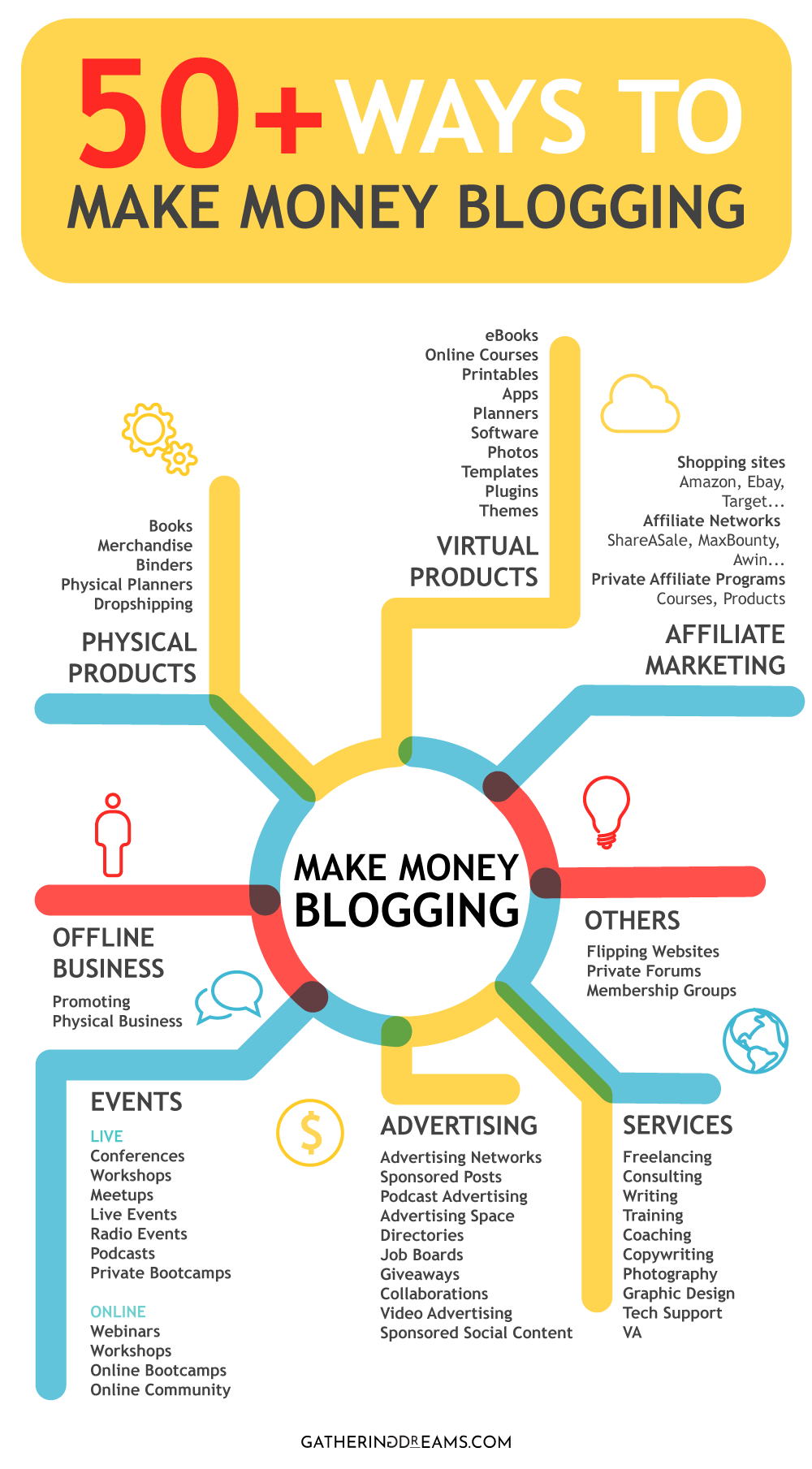
Thousands of bloggers now earn a full-time income from their websites, turning written content into a sustainable business. The most common paths include display advertising, affiliate marketing, and selling digital products directly to readers. For a complementary read on the same theme, see Blogging Tips for Beginners: Start Your First Blog Today
How the Blogging Economy Took Off
The rise of platforms like WordPress and Blogger in the early 2000s gave anyone with internet access the ability to publish content and reach a global audience. By the mid-2010s, blogging had evolved from a hobby into a legitimate career path. Google AdSense, launched in 2003, was one of the first tools that allowed website owners to earn revenue simply by displaying ads alongside their content. This opened the door for early adopters to experiment with monetization at scale. A reference profile of the subject is maintained on Jill Walker Rettberg
Affiliate programs, particularly Amazon Associates (launched in 1996), gave bloggers another revenue stream by letting them earn commissions on product recommendations. Over time, the ecosystem expanded to include sponsored posts, email marketing, and membership communities. Jill Walker Rettberg, a researcher at the University of Bergen, has written extensively about how digital platforms reshaped creative work and self-publishing culture.
How Bloggers Make Money Blogging Today
The most straightforward method remains display advertising through networks like Google AdSense or Mediavine, which pay bloggers based on traffic and ad impressions. Affiliate marketing is equally popular — bloggers recommend products and earn a percentage of each sale generated through their unique tracking links. Many successful bloggers combine both approaches simultaneously.
Selling digital products such as e-books, online courses, and printable templates has become a major income source because margins are high and distribution is instant. Email newsletters with paid subscriptions, like those on Substack, represent another growing model. Some bloggers also offer consulting services or freelance writing, leveraging their established expertise and audience trust.
For those just starting out, blogging tips for beginners can help lay the groundwork before monetization becomes realistic.
What Is Confirmed and What Remains Uncertain
Industry surveys consistently show that a small percentage of bloggers earn the majority of total revenue, while many others earn modest side income. The exact distribution of earnings across the blogging population is difficult to verify because most bloggers do not publicly disclose their revenue.
What remains less clear is how sustainable these income streams are long-term. Algorithm changes from search engines and social platforms can dramatically affect traffic overnight. Diversifying income sources is widely recommended, though specific strategies that work for one niche may not translate to another.
Why Independent Blogging Still Matters for Readers and Creators
Blogging gives independent voices a platform without requiring approval from traditional media gatekeepers. For readers, this means access to specialized knowledge and perspectives that mainstream outlets often overlook. For creators, it represents a path to financial independence built on expertise and consistency.
The barrier to entry remains low — anyone can start a blog today with minimal upfront cost. The real challenge is producing valuable content consistently and building an audience over time. Those who treat blogging as a serious business, rather than a quick money scheme, tend to see the most lasting results.