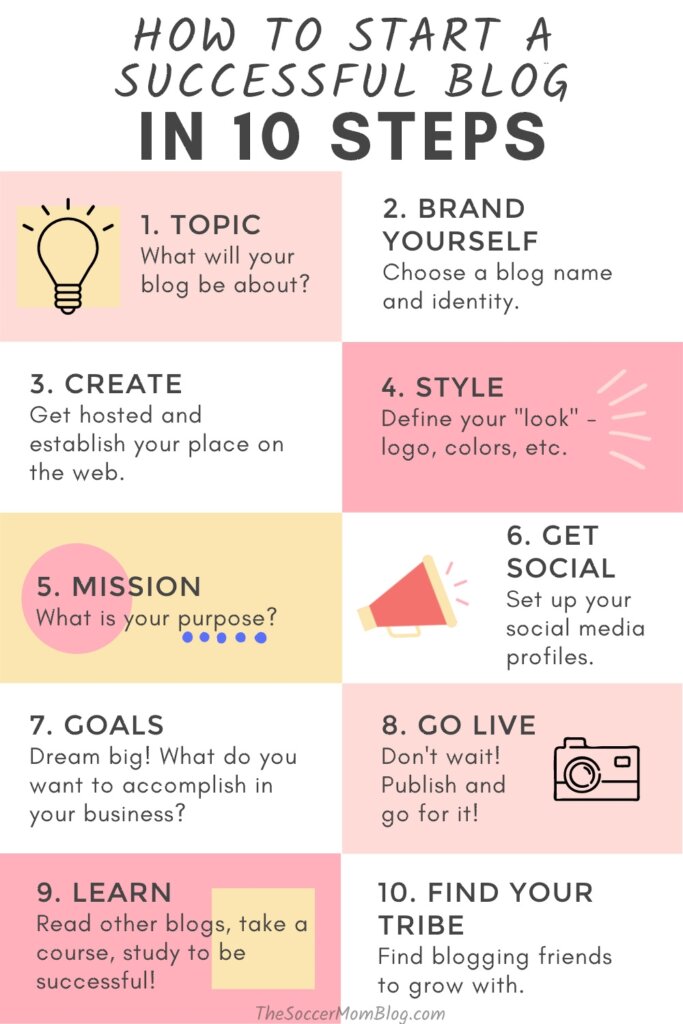
Starting a blog requires choosing a platform, picking a niche, and publishing your first post — but the details matter more than most guides admit. This article walks through each step with concrete actions you can take today. Readers exploring how to start a blog will also find context in Upload Article Business Blog: How It Works and What to Know
Choosing the Right Blogging Platform
WordPress powers over 40 percent of all websites on the internet, making it the most widely used content management system available. It comes in two forms: WordPress.com, a hosted service, and WordPress.org, which requires separate hosting but offers full control over your site. For beginners who want to start quickly, hosted platforms like WordPress.com or Blogger let you publish within minutes without touching code. wikipedia.org/wiki/Blog” rel=”noopener noreferrer” target=”_blank”>Blog
If you prefer a more modern interface, Ghost and Squarespace offer streamlined publishing tools built specifically for writers. Ghost focuses on newsletters and long-form content, while Squarespace combines blogging with portfolio features. Each platform has trade-offs between ease of use, customization, and cost, so testing a free tier before committing is a practical first move.
Self-hosted WordPress.org remains the standard for bloggers who want full ownership of their content and monetization options. Pair it with affordable hosting from providers like SiteGround or Bluehost, and you have a setup that can grow with your audience over time. wix.com/blog/how-to-start-a-blog” rel=”noopener noreferrer nofollow” target=”_blank”>How to start a blog in 10 steps: a beginner's guide – Wix.com
How to Start a Blog With a Clear Niche and Content Plan
Before writing a single post, define what your blog covers and who it serves. A focused niche — such as budget travel in Southeast Asia or plant-based meal prep — helps you attract a specific reader rather than competing with established general-interest sites. Write down three to five core topics you can cover consistently for at least six months.
Next, draft a content calendar with at least ten post ideas mapped to those core topics. This prevents the common trap of publishing one post, then stalling. Aim for a realistic publishing frequency you can sustain, whether that is weekly or biweekly. Consistency matters more than volume when building readership from scratch.
Research what readers in your niche are searching for by using free tools like Google Trends or AnswerThePublic. These tools reveal actual questions people type into search engines, giving you post ideas with built-in demand. Aligning your content with reader intent from the start saves months of guesswork later.
Setting Up Your Blog’s Design and Technical Foundation
Your blog’s design should be clean, fast, and mobile-friendly. Most modern themes on WordPress and Squarespace are responsive by default, but always preview your site on a phone before launching. Slow load times drive readers away, so compress images using tools like TinyPNG and enable caching through your hosting provider or a plugin.
Install an analytics tool such as Google Analytics or the privacy-focused Plutio from day one. Tracking page views and traffic sources early gives you a baseline to measure growth. Set up a simple contact page and an email signup form — even if your list starts at zero, having the infrastructure in place makes it easier to capture readers when traffic arrives.
Secure your site with an SSL certificate, which most hosts now provide for free. An SSL certificate encrypts data between your server and your readers, and search engines prioritize secure sites in rankings. This single step protects both your audience and your visibility.
What Works and What Still Requires Patience
What remains unclear is how long it takes to build meaningful traffic — timelines vary widely depending on niche competition, content consistency, and promotion efforts.
Many new bloggers expect rapid growth and abandon their projects within three months. The reality is that most successful blogs take a year or more of regular publishing before gaining steady organic traffic. Social media promotion and email newsletters accelerate this process, but they require their own learning curve.
Monetization through ads, affiliate links, or digital products becomes viable only after establishing a consistent readership. There is no shortcut around the early phase of writing for a small audience. Accepting that phase as part of the process is what separates bloggers who last from those who quit.
Why Starting a Blog Still Matters in 2024
Blogs remain one of the few digital assets you fully own, unlike social media profiles that depend on platform algorithms. A blog gives you a home base for your writing, your expertise, and your audience data. That ownership becomes more valuable as social platforms change their rules and reach declines.
Starting a blog also builds transferable skills: writing for an audience, basic web design, SEO, and email marketing. These skills apply whether you are building a personal brand, promoting a business, or developing a creative portfolio. The practical knowledge gained from running even a small blog has real professional value.
The barrier to entry has never been lower. Free platforms, affordable hosting, and abundant tutorials mean the only real requirement is the willingness to publish and iterate. Start with one post, learn from the response, and build from there.