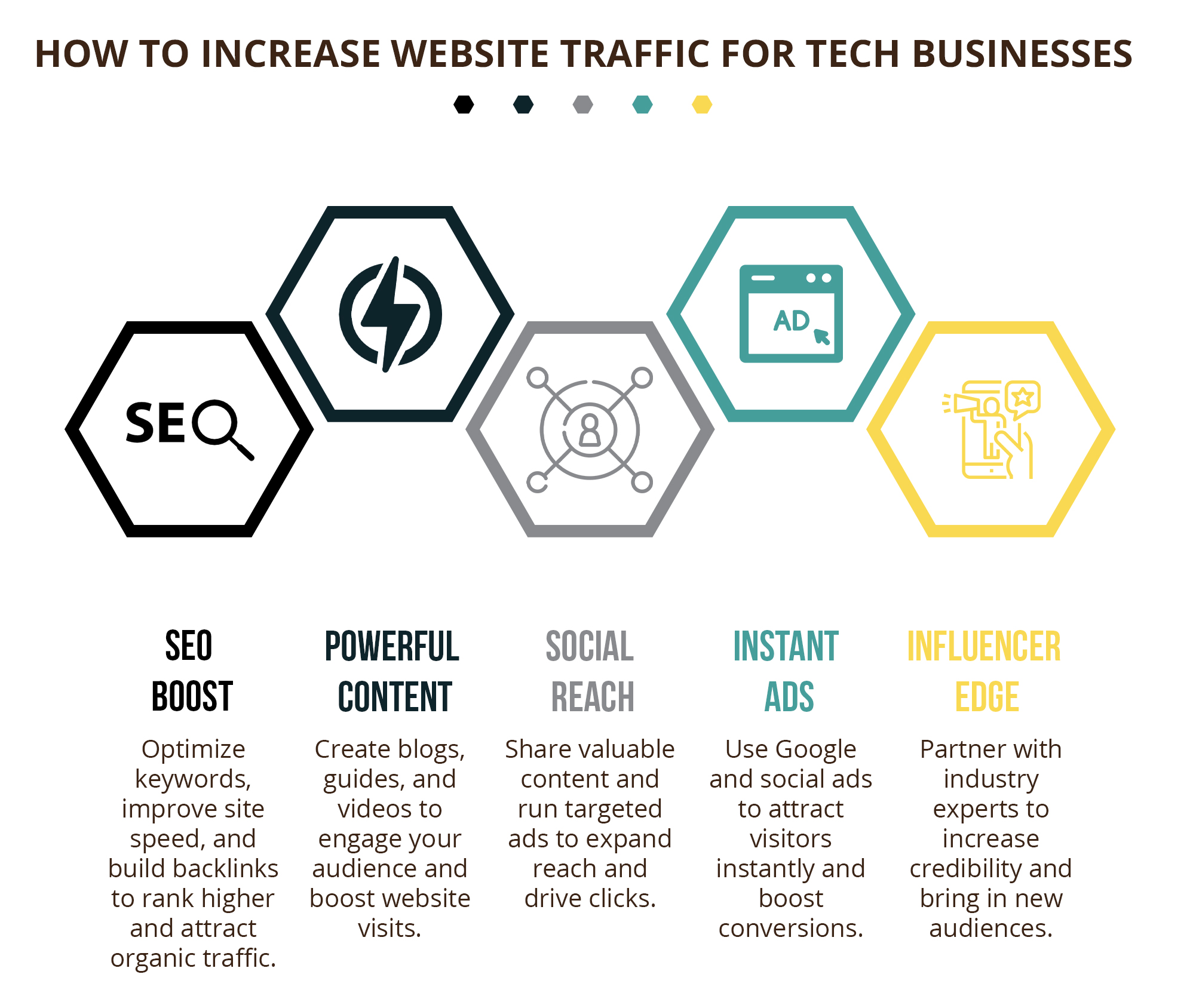
Getting more visitors to a website remains one of the most persistent challenges facing digital publishers and business owners. A meaningful website traffic increase does not happen by accident — it requires deliberate strategy, consistent execution, and the right tools working together over time. For a complementary read on the same theme, see How to Upload Article on Business Topics Successfully
How Search Engines Decide Which Pages Rank
Search engines like Google use hundreds of ranking factors to determine which pages appear at the top of results. Content relevance, page speed, backlink quality, and mobile usability all play measurable roles. Google’s algorithm updates in 2023 and 2024 placed even greater emphasis on helpful, original content over keyword-stuffed pages. Websites that ignored this shift saw noticeable drops in visibility within months. A reference profile of the subject is maintained on Website monetization
Understanding how these algorithms evaluate pages is essential before investing in any traffic strategy. Without that foundation, even well-intentioned efforts can waste resources on tactics that no longer move the needle. Technical SEO audits, competitor gap analysis, and structured data implementation form the baseline work that supports every other growth effort.
Content Strategies That Drive Consistent Organic Growth
Publishing high-quality, search-intent-aligned content remains the single most reliable path to a sustained website traffic increase. Articles that answer specific reader questions tend to accumulate backlinks and ranking positions over time. Long-form guides, data-driven studies, and original research consistently outperform thin, duplicated material in both engagement metrics and conversion rates. A reference profile of the subject is maintained on 28 Ways to Increase Traffic to Your Website – Backlinko
Consistency matters as much as quality. Sites that publish on a regular schedule build crawl frequency and domain authority faster than those posting sporadically. A content calendar aligned with seasonal search trends helps capture traffic during peak demand periods. Internal linking between related articles keeps visitors on the site longer, which signals relevance to search engines and improves overall performance.
What Analytics Reveal About Visitor Behavior
Tools like Google Analytics 4 and Search Console provide granular data about where visitors come from, which pages they read longest, and where they drop off. Analyzing bounce rates, session duration, and click-through rates from search results reveals which content resonates and which needs improvement. Without this data, publishers are essentially guessing about what works.
Segmenting traffic by source — organic search, social media, referral links, direct visits — helps allocate effort effectively. A site relying heavily on one channel remains vulnerable to algorithm changes or platform shifts. Diversifying traffic sources creates resilience and provides multiple growth levers to pull when one channel underperforms.
What Is Confirmed and What Remains Uncertain
It is well established that technical SEO, quality content, and backlink acquisition drive measurable traffic gains. Google’s own documentation confirms that page experience signals, including Core Web Vitals, influence rankings. Case studies from publishers across industries show consistent correlation between structured content updates and organic visibility improvements.
What remains less certain is the exact timeline for results and the precise weight of individual ranking factors. Algorithm updates can shift priorities without public announcement, and competitive landscapes vary dramatically by niche. Some sites see meaningful gains within weeks, while others require months of sustained effort before momentum builds. Patience and adaptability are non-negotiable in this space.
Why Independent Publishers Should Prioritize Traffic Diversification
Relying solely on search engine traffic creates a single point of failure that can devastate a business overnight. Platforms change policies, algorithms update, and competitor activity can all erode visibility without warning. Publishers who build email lists, cultivate social media audiences, and develop referral partnerships maintain stability even when one channel falters.
The most resilient digital properties treat traffic acquisition as an ongoing system rather than a one-time project. Regular content refreshes, A/B testing of headlines and meta descriptions, and strategic outreach for backlinks compound over time. For independent publishers looking to build sustainable readership, the combination of strong SEO fundamentals and diversified channels offers the most reliable path forward.