
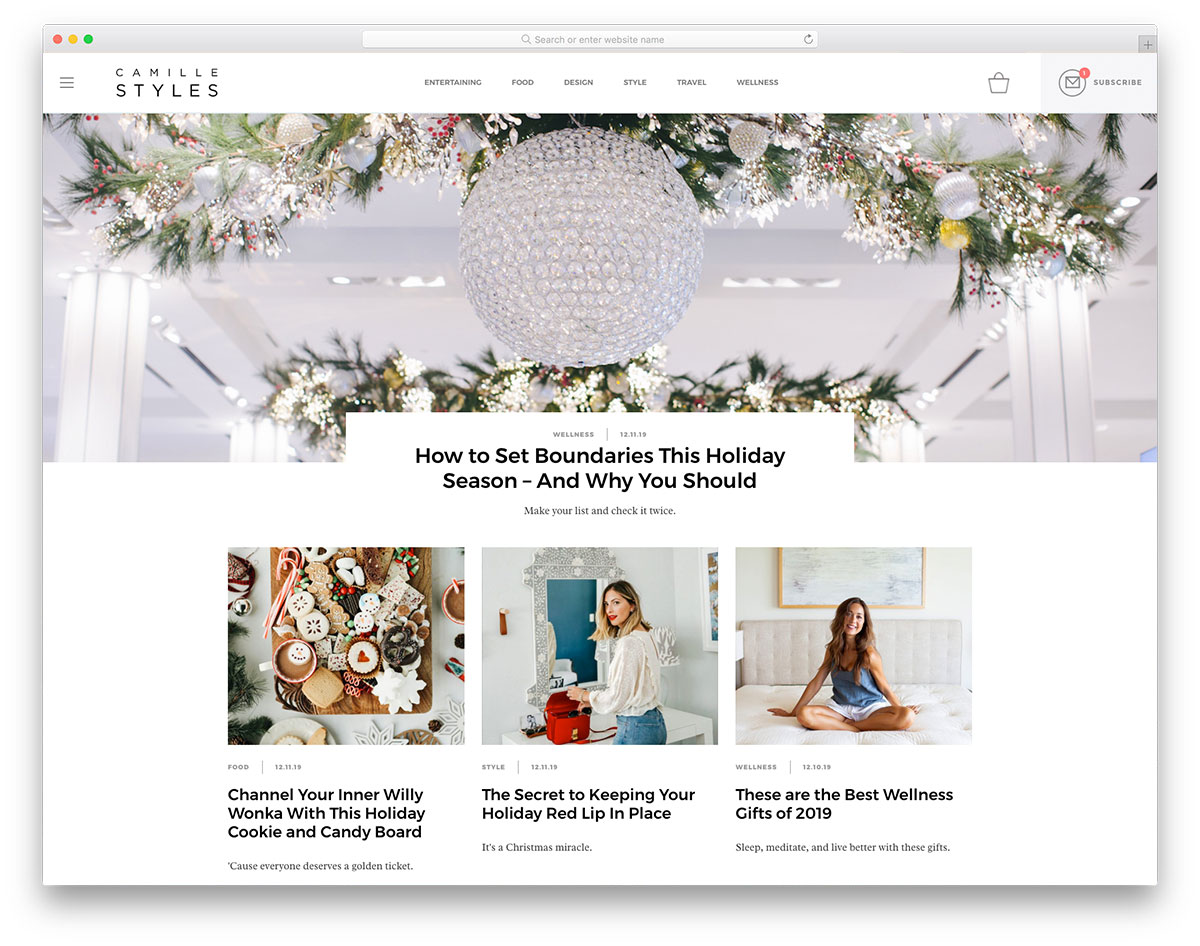
Upload article lifestyle blog platforms have become a go-to destination for freelance writers and niche publishers looking to share content without building a site from scratch. These platforms accept submissions across categories like health, travel, food, and personal finance, giving contributors access to an existing readership. Understanding how they work can help writers decide whether this model fits their goals. Readers exploring upload article lifestyle blog will also find context in Insurance Article Submission: A Practical Guide for Writers
How Uploadblog News Started and What It Covers
Uploadblog News launched as a digital-first editorial platform focused on lifestyle content. The site organizes its coverage into clearly defined verticals including wellness, home living, travel, and personal development. Rather than relying on a single in-house editorial team, the platform operates with a hybrid model that combines staff editors with a network of external contributors. wikipedia.org/wiki/Megaupload” rel=”noopener noreferrer” target=”_blank”>Megaupload
This structure allows the site to maintain a consistent publishing schedule across multiple topics simultaneously. Contributors pitch or submit drafts, which then go through an editorial review before publication. The approach mirrors practices used by other digital-native outlets that prioritize volume and topic diversity over a narrow editorial voice.
The platform’s name reflects its core mechanic: writers upload articles directly through a submission portal. This streamlined process removes much of the back-and-forth traditionally associated with pitching to established magazines or newspapers. For readers, the result is a broad catalog of lifestyle content that covers both evergreen advice and trending topics. com/uploadarticle-lifestyle/” rel=”noopener noreferrer nofollow” target=”_blank”>UploadArticle Lifestyle: Sharing Your Life Stories
How the Platform Selects and Publishes Stories
The editorial process at an upload article lifestyle blog like this one typically begins with a submission guidelines page that outlines accepted topics, word counts, and formatting requirements. Writers who follow these guidelines have a higher chance of acceptance, though editorial discretion still plays a significant role in final decisions.
Editors evaluate submissions based on originality, readability, and relevance to the platform’s audience. Articles that offer practical advice or firsthand experience tend to perform better than purely opinion-driven pieces. Once approved, content is scheduled for publication and distributed through the site’s own channels as well as social media accounts.
Some contributors have noted that response times can vary depending on the volume of submissions received during peak periods. The platform does not publicly disclose its acceptance rate or average review timeline, which is common among similar digital publishing operations. Writers are generally encouraged to follow up politely if they have not heard back within a few weeks.
What Is Confirmed and What Remains Unverified
The site maintains an active presence and continues to list new articles on a regular basis. Its submission guidelines are accessible to anyone interested in contributing.
What remains less clear is the platform’s ownership structure, revenue model, and editorial staffing details. There is no publicly available information about whether contributors are paid, receive exposure-only compensation, or operate under a revenue-sharing arrangement. The site does not publish an editorial masthead listing its editors or leadership team, which makes it difficult to assess its internal operations.
Additionally, the platform’s traffic figures and audience demographics are not disclosed through third-party analytics tools or press materials. Readers and contributors who want concrete data on reach and engagement may need to rely on indirect signals such as social media follower counts and comment activity.
Why Independent Digital Media Matters for Readers
Platforms like this one fill a gap between large media conglomerates and individual personal blogs. They offer a middle ground where writers can publish professionally edited content without the overhead of running their own website. For readers, this means access to a wider range of perspectives and expertise than a single-author blog typically provides.
The upload article lifestyle blog model also lowers the barrier to entry for writers who are building a portfolio or testing a new niche. Rather than waiting for a traditional publication to accept a pitch, contributors can publish quickly and gauge audience response in real time. This immediacy is one of the defining advantages of digital-native publishing.
As the media landscape continues to fragment, platforms that streamline the publishing process are likely to attract both new voices and dedicated readers. The key challenge for any such platform will be maintaining editorial quality while scaling its contributor base — a balance that determines long-term credibility.