
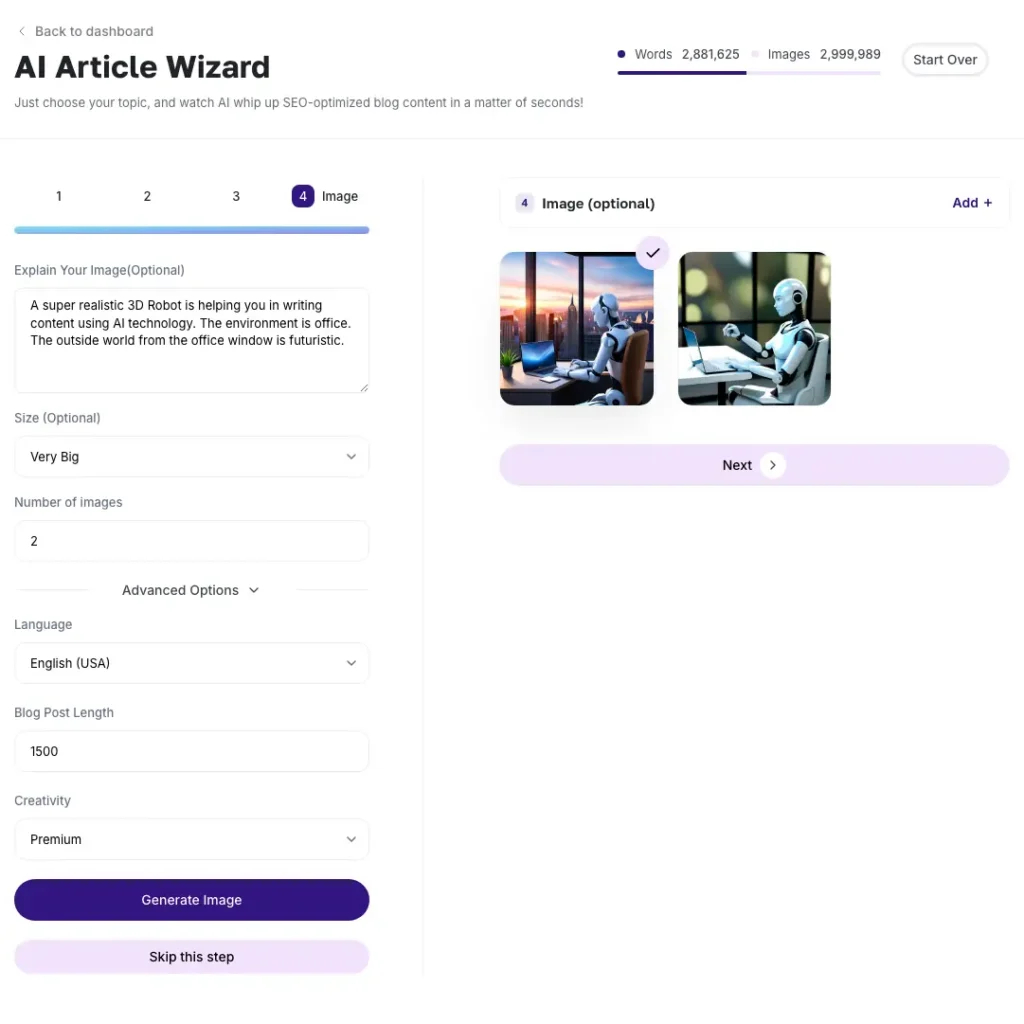
AI-powered content tools are increasingly being used to generate articles at scale, raising questions about quality, originality, and editorial standards. Publishers and writers need to understand how these systems function before integrating them into their workflows. On a related note, Insurance Article Submission: A Practical Guide for Writers adds useful context
How Automated Content Generation Entered the Publishing Space
The rise of large language models after 2022 accelerated the adoption of AI in content creation across industries. Tools capable of producing full-length articles from simple prompts became widely accessible, attracting both independent bloggers and established media outlets. Perplexity AI, launched as an AI-powered search and answer engine, became one of the more visible platforms in this space, drawing attention for its ability to synthesize information from multiple sources into coherent responses. Public records covering this story are gathered in Perplexity AI
By 2023, several digital publishing platforms had begun experimenting with AI-assisted drafting, fact-checking, and even fully automated article production. The appeal was obvious: faster turnaround, lower costs, and the ability to cover niche topics that might not justify a human writer’s time. However, early adopters quickly encountered problems with factual accuracy, repetitive phrasing, and a lack of genuine editorial voice.
What Upload Article AI Content Actually Means for Publishers
The phrase “upload article AI content” generally refers to the process of using artificial intelligence to draft, refine, or publish written material through a digital platform. Some services allow users to input a topic or keyword and receive a complete article within minutes. Others function as assistants, helping human writers with research, outlining, or grammar correction. Public records covering this story are gathered in Free AI Content Generator | Create Quality Content Instantly
The core technology behind these tools relies on pattern recognition across massive text datasets. The AI predicts the most likely next word or sentence based on the input it receives. This approach can produce fluent, readable text, but it does not guarantee factual correctness or original insight. Publishers who rely heavily on fully automated output often find themselves correcting errors or dealing with duplicate content penalties from search engines.
Several major platforms have updated their guidelines in response. Google’s helpful content system, updated in 2023 and refined in subsequent months, explicitly prioritizes content created for people rather than search engines. This shift has made it riskier for publishers to publish large volumes of AI-generated material without meaningful human oversight.
What Is Confirmed and What Remains Uncertain
It is well established that AI content tools can produce grammatically correct text quickly and at low cost. What remains uncertain is how effectively these detection methods work in practice and whether they can reliably distinguish between helpful AI-assisted writing and purely machine-generated filler.
Another open question involves copyright and ownership. Legal frameworks in most jurisdictions have not yet clearly addressed whether AI-generated text can be copyrighted, or who holds rights to content produced by a machine trained on human-written sources. Some publishers have begun adding disclosure statements to AI-assisted articles, though no universal standard exists.
The long-term impact on freelance writers and editorial staff is also unclear. Some outlets have reduced their reliance on human contributors, while others use AI as a supplement rather than a replacement. The balance between automation and human judgment continues to shift as the technology matures.
Why This Matters for the Future of Digital Media
The spread of AI content tools represents a fundamental change in how written material is produced and consumed. For readers, the risk is an internet flooded with superficially competent but ultimately shallow articles that offer no real expertise or accountability. For publishers, the challenge is finding a sustainable model that uses automation responsibly without sacrificing trust.
Platforms that publish AI-generated content without transparency risk losing audience confidence and search visibility simultaneously. Those that invest in human editorial oversight, even when using AI as a starting point, are better positioned to maintain quality. The publishers who thrive will likely be the ones who treat AI as a tool rather than a substitute for genuine reporting and analysis.