
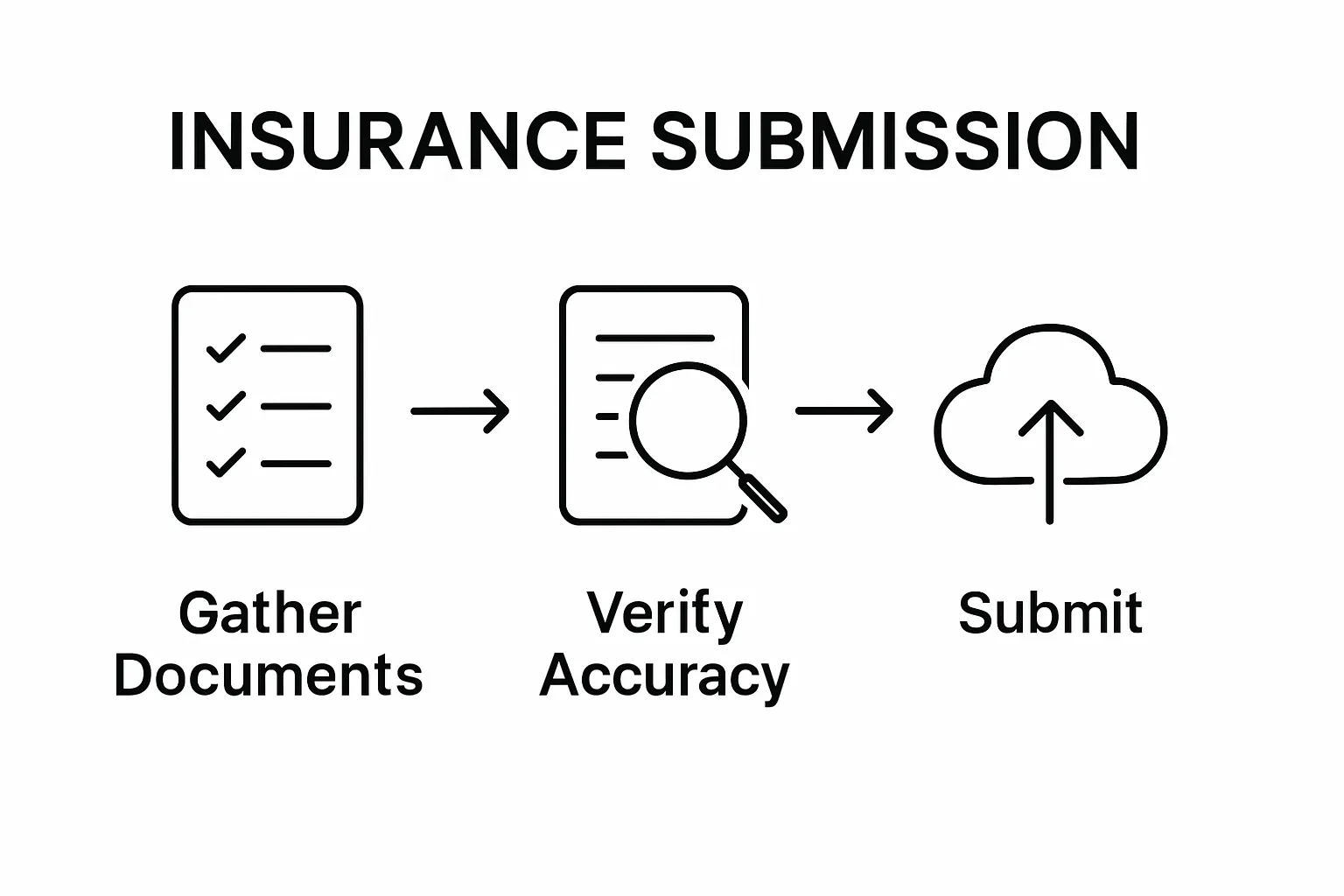
Getting your insurance-related content published requires understanding how editorial platforms handle submissions. Whether you are an industry professional or a freelance writer, knowing the right steps can significantly improve your chances of acceptance. For a complementary read on the same theme, see Article Directory Submission: A Guide to Effective Content Distribution
How the Article Submission Process Works
Most editorial platforms that accept insurance content follow a structured review process. Writers typically begin by preparing a draft that addresses a specific topic within the insurance sector — ranging from policy analysis to market trends or regulatory updates. The next step involves formatting the piece according to the platform’s editorial guidelines, which often specify word count limits, tone requirements, and sourcing standards. A reference profile of the subject is maintained on Insurance
Once the draft is ready, the writer submits insurance article through the platform’s designated channel, which may be an online form, an email address, or a content management system. Editors then evaluate the submission for accuracy, relevance, and alignment with the publication’s audience. This review period varies across platforms, but most provide a response within a few weeks.
What Editors Look for in Insurance Content
Editors prioritize well-researched pieces that offer genuine value to readers. Articles that cite credible data, reference established industry sources, and present clear arguments tend to perform better in the review process. Originality matters — recycled or overly generic content is typically rejected regardless of writing quality. A reference profile of the subject is maintained on Submission Guidelines – Insurance Journal
Strong submissions also demonstrate an understanding of the target audience. A piece aimed at insurance professionals will differ significantly in tone and depth from one written for general consumers. Writers who tailor their approach accordingly stand a better chance of publication.
Common Reasons Submissions Get Rejected
Several recurring issues lead to rejection. Poor sourcing ranks among the most frequent problems — articles that make claims without supporting evidence or reference to recognized industry data rarely pass editorial review. Overly promotional content is another common issue. Platforms generally avoid publishing pieces that read like advertisements for a specific company or product.
Formatting errors also contribute to rejection. Submissions that ignore stated guidelines regarding structure, length, or citation style signal a lack of professionalism. Taking time to review the platform’s requirements before sending your work demonstrates respect for the editorial process.
What Is Confirmed and What Remains Unclear
It is well established that most reputable platforms maintain editorial standards and review submissions before publication. The general process of preparing, formatting, and sending content follows a predictable pattern across the industry. What remains less transparent is the specific criteria each platform uses internally to rank or prioritize submissions, as these decision-making frameworks are typically not publicly disclosed.
Response timelines also vary considerably. Some platforms provide detailed feedback on rejected pieces, while others offer only a brief notice. Writers often find it difficult to determine whether a lack of response indicates rejection or simply a longer review period.
Why Getting Your Work Published Matters
Published insurance content builds professional credibility and expands a writer’s reach within the industry. For professionals in the insurance sector, contributing to recognized platforms establishes subject-matter expertise and creates networking opportunities. For the broader publishing ecosystem, a steady flow of quality submissions ensures readers have access to diverse, well-researched perspectives on important topics.
As the demand for specialized insurance content continues to grow, platforms that streamline their submission processes and communicate clearly with contributors will attract stronger writers and produce better content. Writers who invest time in understanding each platform’s expectations position themselves for long-term success in this space.