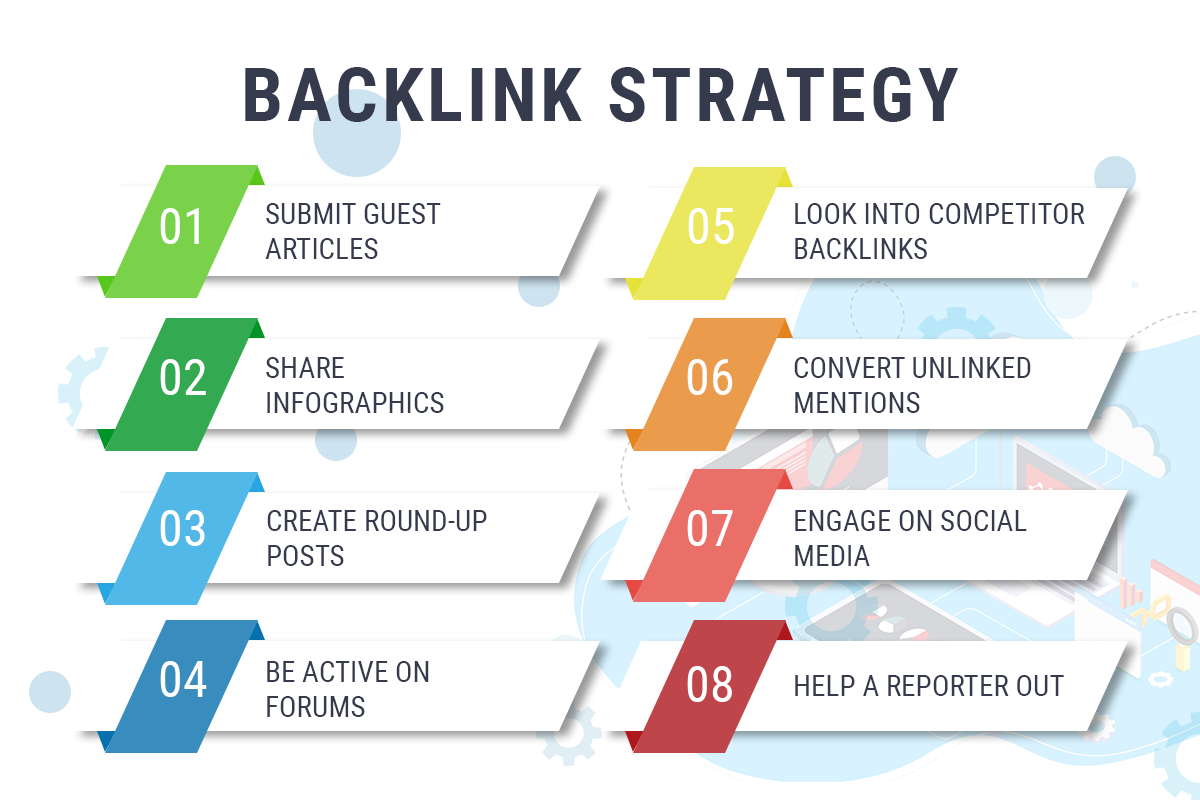
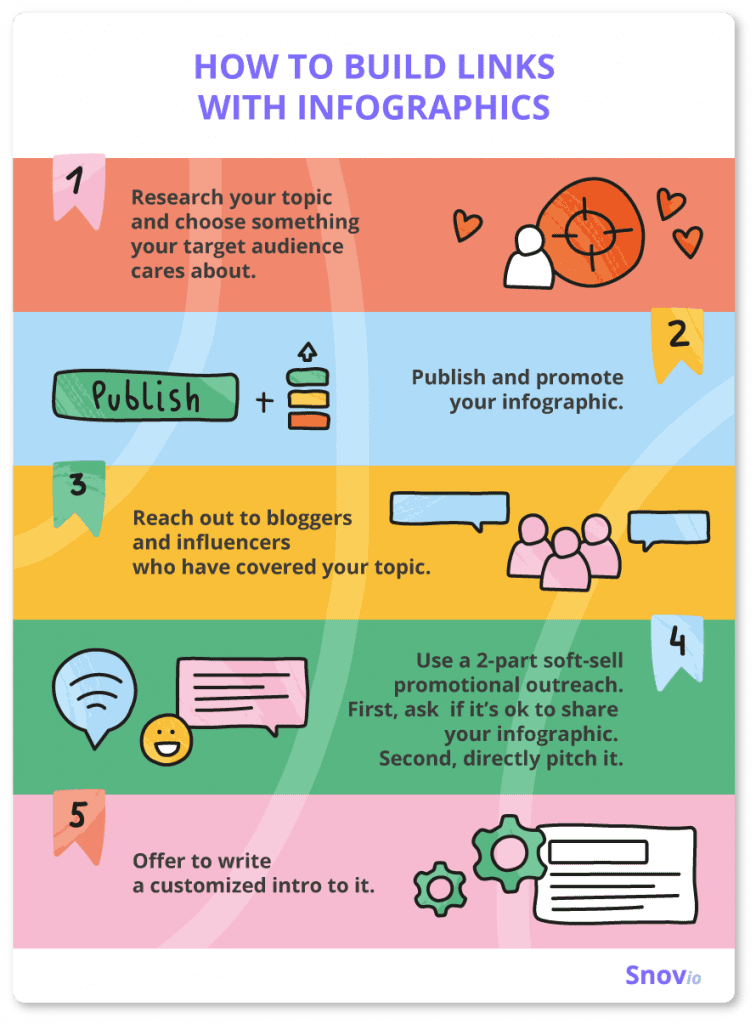
Many website owners publish articles for backlinks to strengthen their SEO profile. This strategy involves creating valuable content on external platforms that links back to your own site. One key benefit is improved search engine visibility. Readers exploring publish articles for backlinks will also find context in Essential Content Writing Tips for Beginners to Build Confidence and Skill
Understanding the Role of Backlinks in SEO
Backlinks remain a core ranking factor in Google’s algorithm. When reputable sites link to your content, search engines interpret this as a signal of credibility. This trust can lead to higher rankings in search results. wikipedia.org/wiki/Trackback” rel=”noopener noreferrer” target=”_blank”>Trackback
The concept dates back to the late 1990s when search engines first began using link analysis. Larry Page and Sergey Brin developed the PageRank algorithm at Stanford University, which evaluated web pages based on the number and quality of inbound links.
Today, not all backlinks are equal. Links from high-authority domains carry more weight than those from low-quality or spammy sites. Context also matters—links embedded within relevant, informative content perform better than those placed in footers or sidebars. io/blog/article-backlinks/” rel=”noopener noreferrer nofollow” target=”_blank”>50+ Article Backlink Submission Sites for Quality Links
How to Publish Articles for Backlinks Effectively
To publish articles for backlinks successfully, start by identifying authoritative websites in your niche that accept guest contributions. Look for platforms with strong domain authority and an engaged audience. Examples include industry blogs, news sites, and educational portals.
Once you’ve selected a target site, study their content guidelines. Most publishers require original, well-researched articles that provide genuine value to readers. Avoid promotional language and focus on solving problems or answering common questions.
Include a natural backlink within the body of your article when relevant. For instance, if you’re writing about digital marketing tools, link to a detailed review on your own site. Anchor text should be descriptive and contextually appropriate—never over-optimized with exact-match keywords.
Another effective method is contributing to resource pages. Many websites maintain lists of helpful tools, guides, or references. Reaching out to suggest your content as an addition can result in a high-quality backlink.
Some marketers also use the broken link building technique. This involves finding broken links on relevant websites and offering your content as a replacement. It’s a win-win: the site owner fixes a usability issue, and you gain a valuable link.
What Is Confirmed and What Remains Unverified
The company has publicly stated that links are one of the top three ranking factors. However, the exact weight of backlinks compared to other signals like content quality and user experience remains undisclosed.
Google’s Webmaster Guidelines explicitly warn against buying links or participating in link schemes. Sites caught violating these rules may see their rankings drop or be removed from search results entirely.
What remains unclear is how quickly new backlinks impact rankings. Some SEO professionals report improvements within weeks, while others observe no change for months. Factors such as domain age, content relevance, and competition level likely influence the timeline.
Another uncertainty involves the long-term value of guest posting. While it remains a popular tactic, some experts argue that its effectiveness has diminished due to overuse. Others maintain that high-quality contributions still yield strong results when done authentically.
Why Strategic Content Publishing Matters for Long-Term Growth
Building backlinks through content publishing is not a quick fix. It requires consistent effort, research, and relationship-building. However, the long-term benefits include increased referral traffic, stronger domain authority, and improved organic reach.
Unlike paid advertising, backlinks continue to deliver value over time. A single well-placed article can generate links and traffic for years. This compounding effect makes it a sustainable component of any SEO strategy.
For beginners, starting with smaller niche sites can build confidence and portfolio pieces. As credibility grows, opportunities with larger publishers become more accessible. Always prioritize quality over quantity—one authoritative backlink often outweighs dozens from low-tier domains.
For more guidance on crafting effective content, see our guide on content writing tips for beginners. Understanding how to write clearly and persuasively enhances your chances of publication and link acquisition.
Ultimately, the goal is not just to publish articles for backlinks, but to contribute meaningfully to your industry. When your content helps others, links and visibility follow naturally.