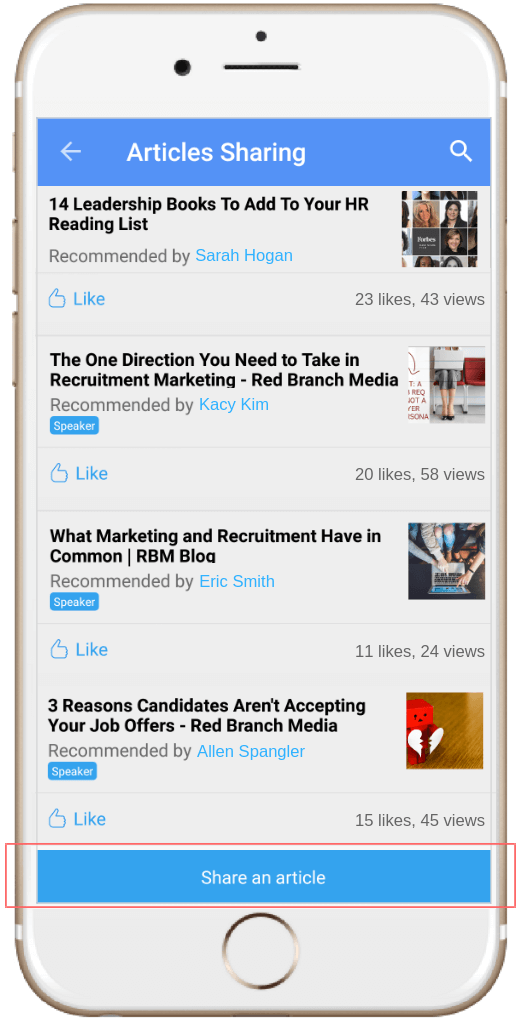
Article sharing websites allow users to post, distribute, and discover written content across the internet. These platforms have become central to how news, opinions, and educational material reach global audiences. On a related note, How to Increase Website Traffic Fast with Proven Strategies adds useful context
Origins and Evolution of Content Sharing Platforms
The concept of sharing articles online dates back to the early 2000s with the rise of blogging platforms like Blogger and WordPress. These tools enabled individuals to publish content without technical expertise. Over time, dedicated article sharing websites emerged, offering curated spaces for long-form writing. Public records covering this story are gathered in List of image-sharing websites
One of the earliest examples is Medium, launched in 2012 by former Twitter co-founders. It introduced a clean interface and algorithm-driven recommendations, shifting focus from personal blogs to community-driven content discovery. Unlike traditional blogs, these platforms emphasized readability and social engagement.
Other platforms, such as LinkedIn Pulse and Substack, expanded the model by integrating professional networking or subscription-based monetization. This evolution reflects a broader trend: users increasingly prefer centralized hubs over fragmented personal websites for consuming written content. Public records covering this story are gathered in 150+ Free Article Submission Sites 2026 (High DA, Instant Approval)
How Article Sharing Websites Function and Grow
Article sharing websites operate by allowing users to submit content, which is then displayed on a public feed or topic-based section. Many use algorithms to surface popular or relevant posts, increasing visibility for certain authors. Some platforms require editorial review, while others rely on community moderation.
Growth often depends on user engagement features like commenting, upvoting, and social sharing. Platforms that integrate with social media see higher traffic, as content spreads beyond the site itself. This cross-platform visibility benefits both writers and publishers seeking broader reach.
Monetization strategies vary. Some sites offer ad revenue sharing, while others use premium subscriptions or sponsored content. These models influence how content is prioritized, sometimes favoring clickable headlines over depth or accuracy.
Impact on Publishers and Independent Writers
For publishers, article sharing websites provide a way to extend content lifespan and attract new readers. Republishing articles on third-party platforms can drive referral traffic back to original sources. However, it also risks diluting brand control and ad revenue.
Independent writers benefit from low barriers to entry. Without needing a personal website or marketing budget, they can reach audiences directly. This democratization has led to diverse voices entering public discourse, though it also increases competition for attention.
Some writers use these platforms to build personal brands before launching newsletters or books. Others rely on them as primary income sources through platform-specific payment systems. The flexibility supports various creative and professional goals.
Challenges and Criticisms of Centralized Content Hubs
Despite their benefits, article sharing websites face criticism over content moderation and algorithmic bias. Decisions about what gets promoted can favor sensationalism over substance, affecting public discourse. Users may encounter misinformation or low-quality content due to limited oversight.
Another concern is platform dependency. Writers who build audiences on third-party sites risk losing access if policies change or accounts are suspended. This contrasts with owning a domain and email list, which offer more control.
Additionally, the shift toward centralized platforms raises questions about data privacy and ownership. User-generated content is often stored and analyzed for advertising purposes, sometimes without transparent consent.
What Is Confirmed and What Remains Unverified
They have also lowered the technical and financial barriers to publishing. Major platforms like Medium and Substack report active user bases and regular content uploads.
However, the long-term sustainability of these models remains uncertain. Revenue sharing and ad-based income fluctuate with market conditions. Some writers report inconsistent earnings, while others thrive. The impact on traditional journalism is still being studied, with mixed results across regions and genres.
There is also limited public data on how algorithms prioritize content. While platforms disclose general principles, the exact mechanisms are often proprietary. This lack of transparency makes it difficult to assess fairness or bias in content distribution.
Why Independent Digital Media Matters for Readers
Article sharing websites play a key role in shaping how information circulates online. They influence what stories gain traction and which voices are heard. For readers, understanding how these platforms work helps in evaluating content credibility and source reliability.
As digital media evolves, users benefit from diverse platforms that support both discovery and depth. Supporting independent writers and transparent algorithms ensures a healthier information ecosystem. Readers who engage critically with shared content contribute to more informed online communities.
For those looking to grow their own reach, combining platform use with owned channels offers the most resilience. Diversifying distribution reduces reliance on any single site and strengthens long-term audience relationships.